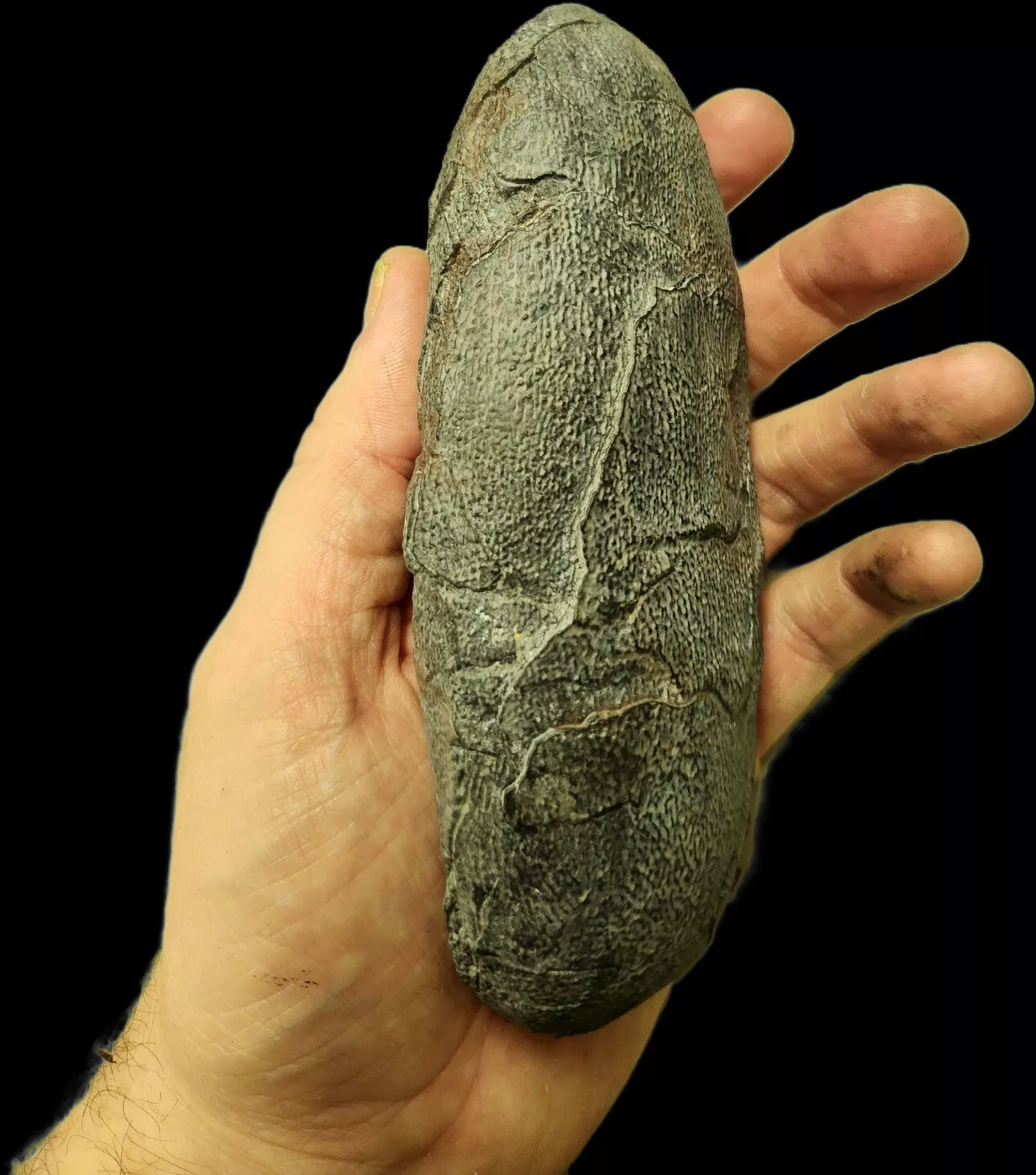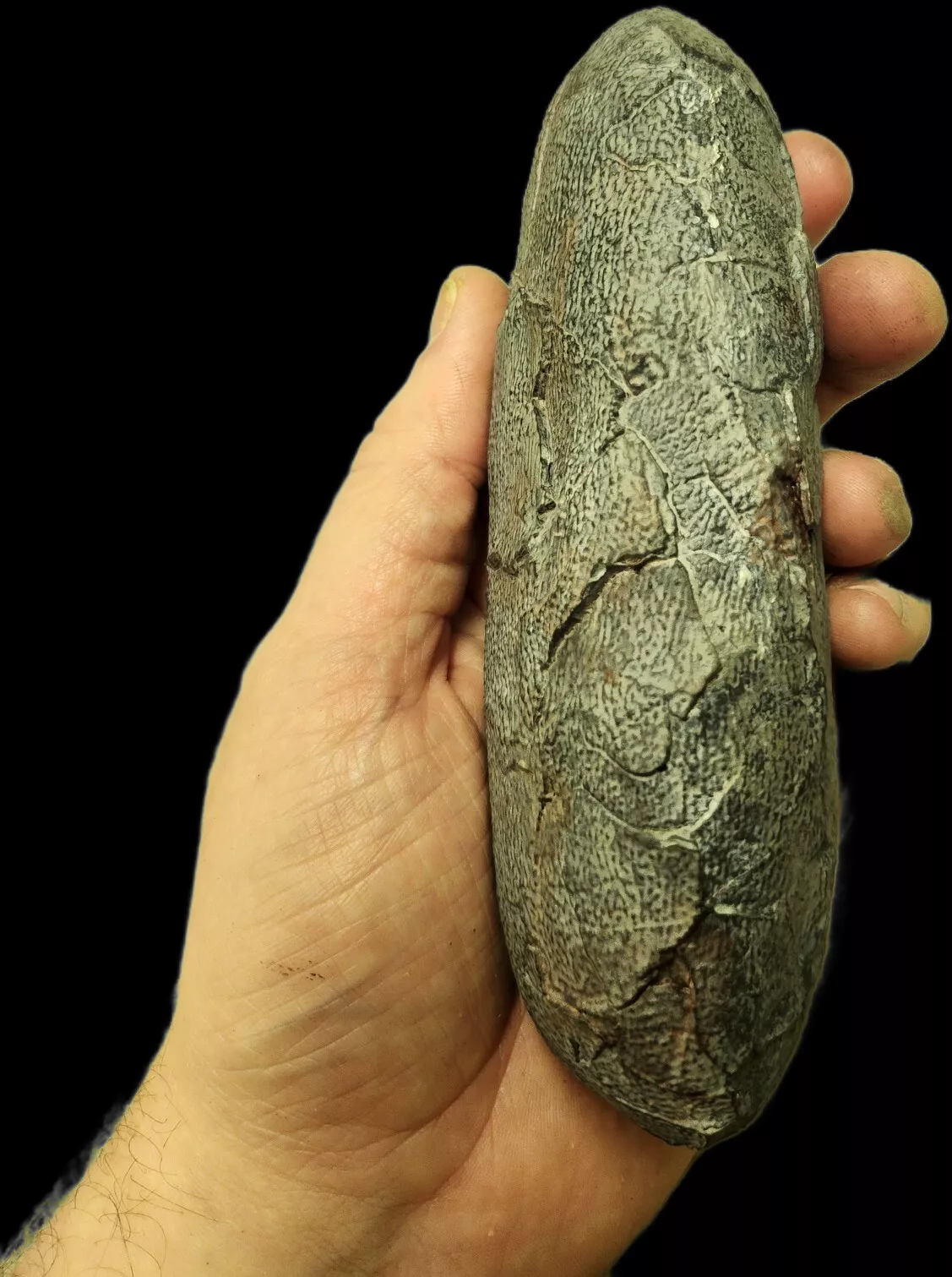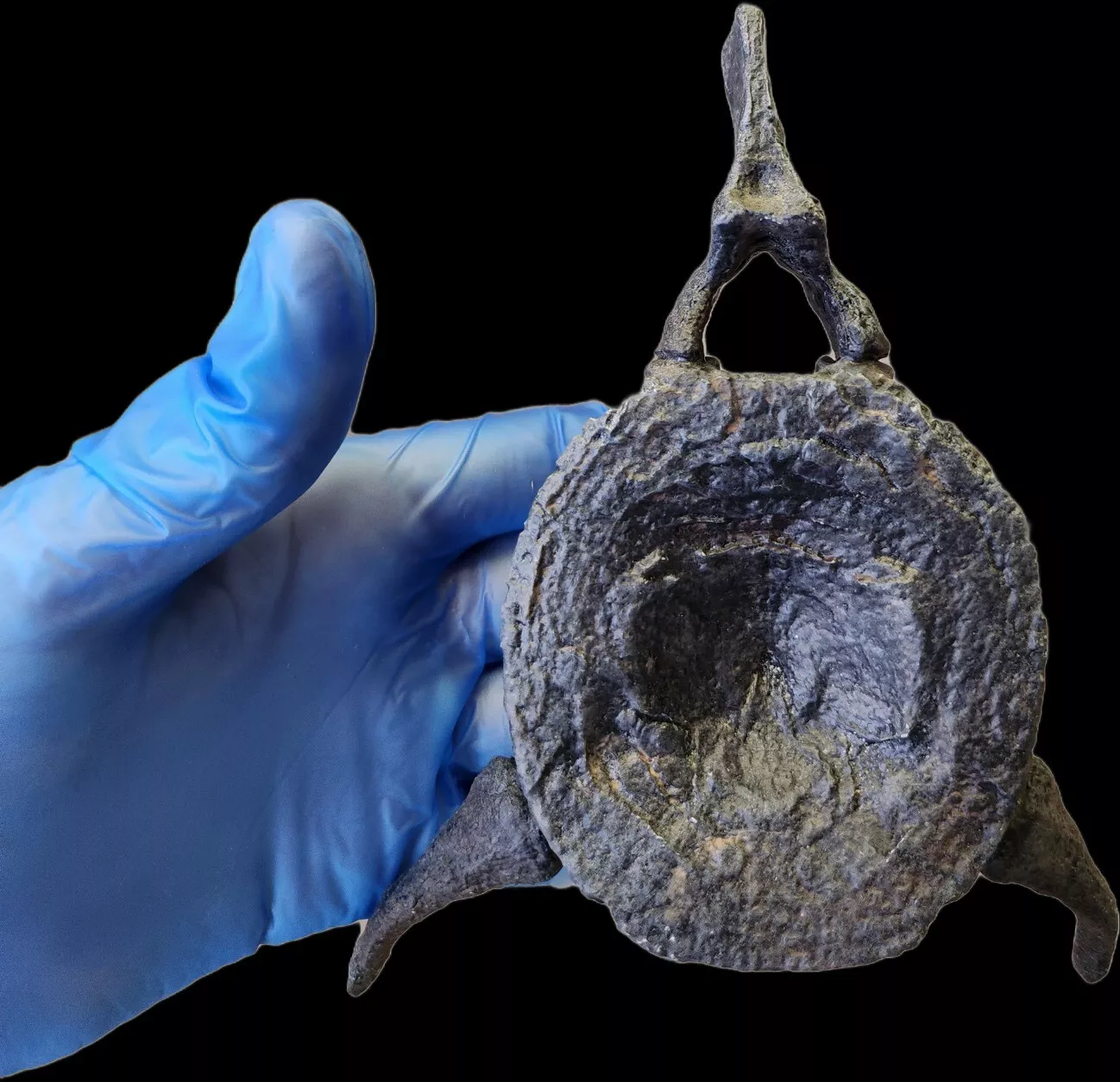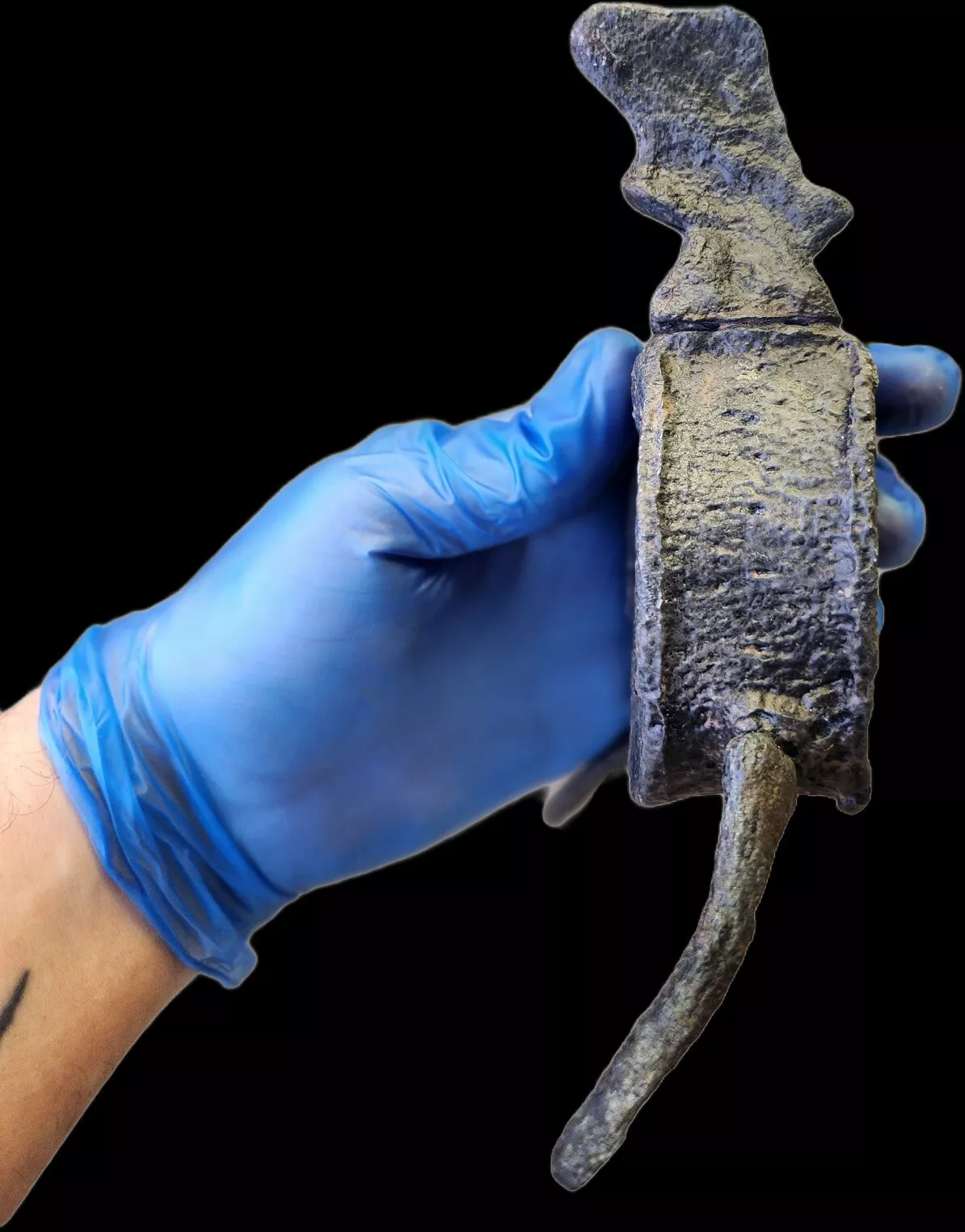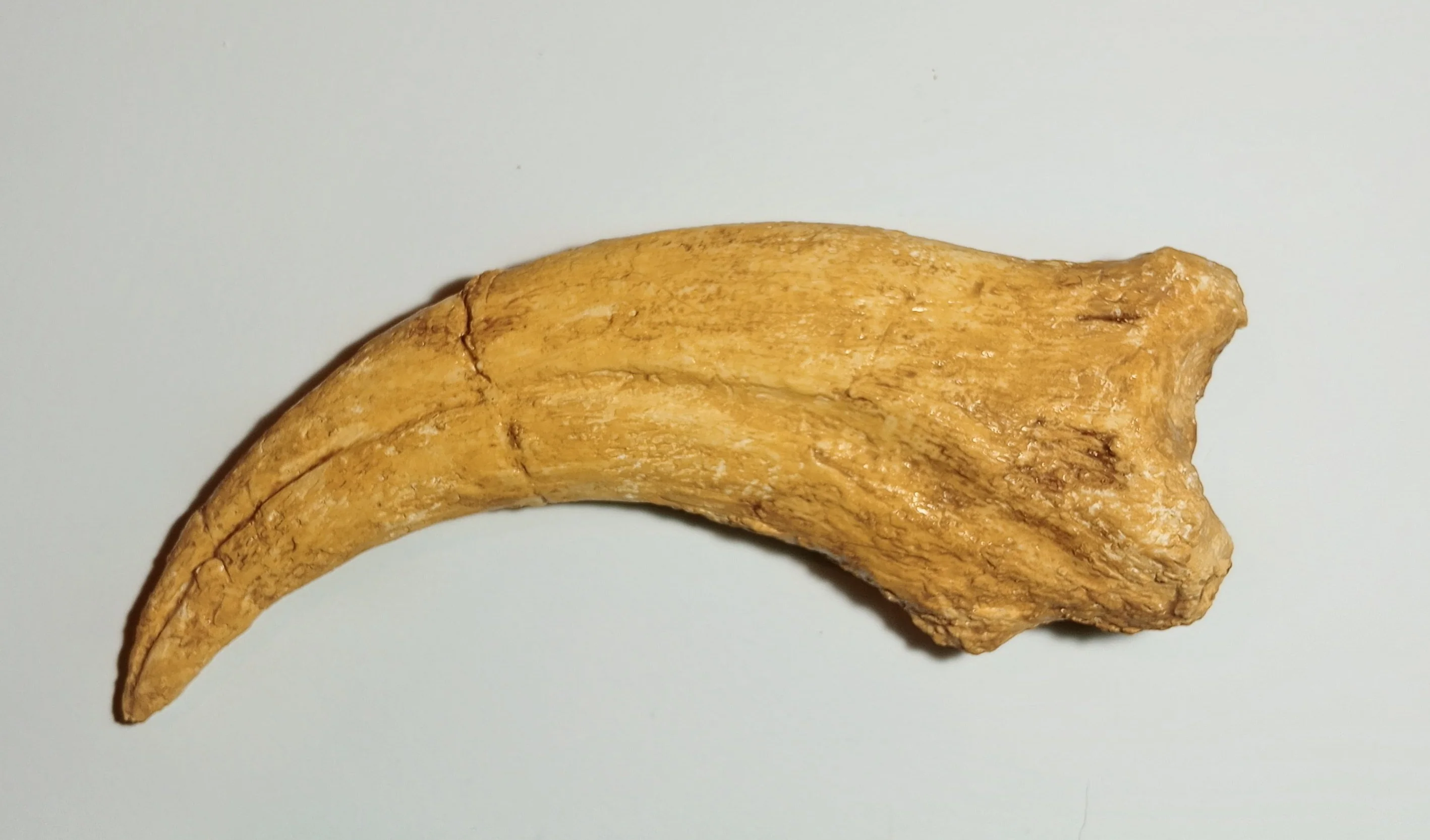
Spinosaurus Claw Cast
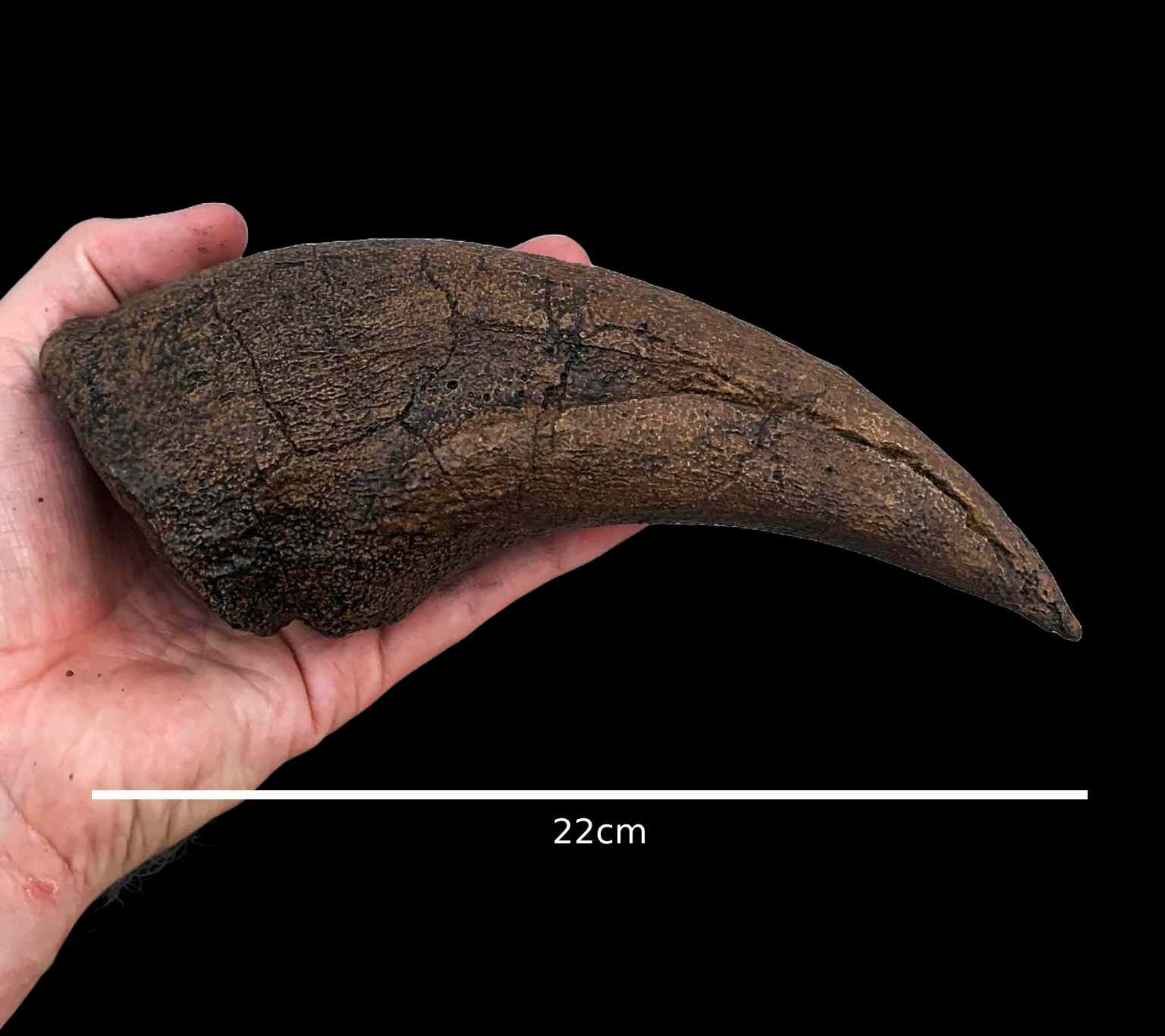
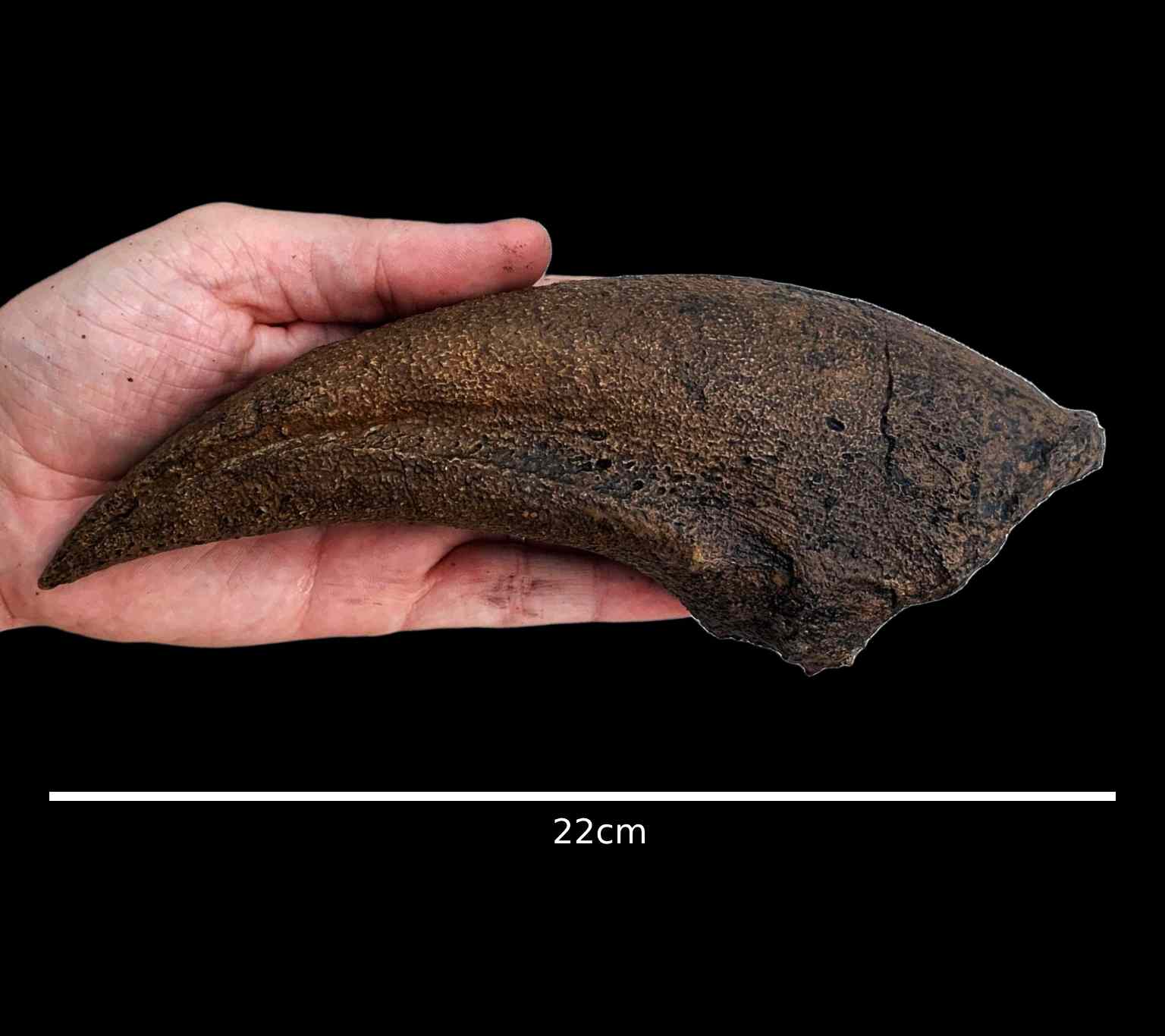
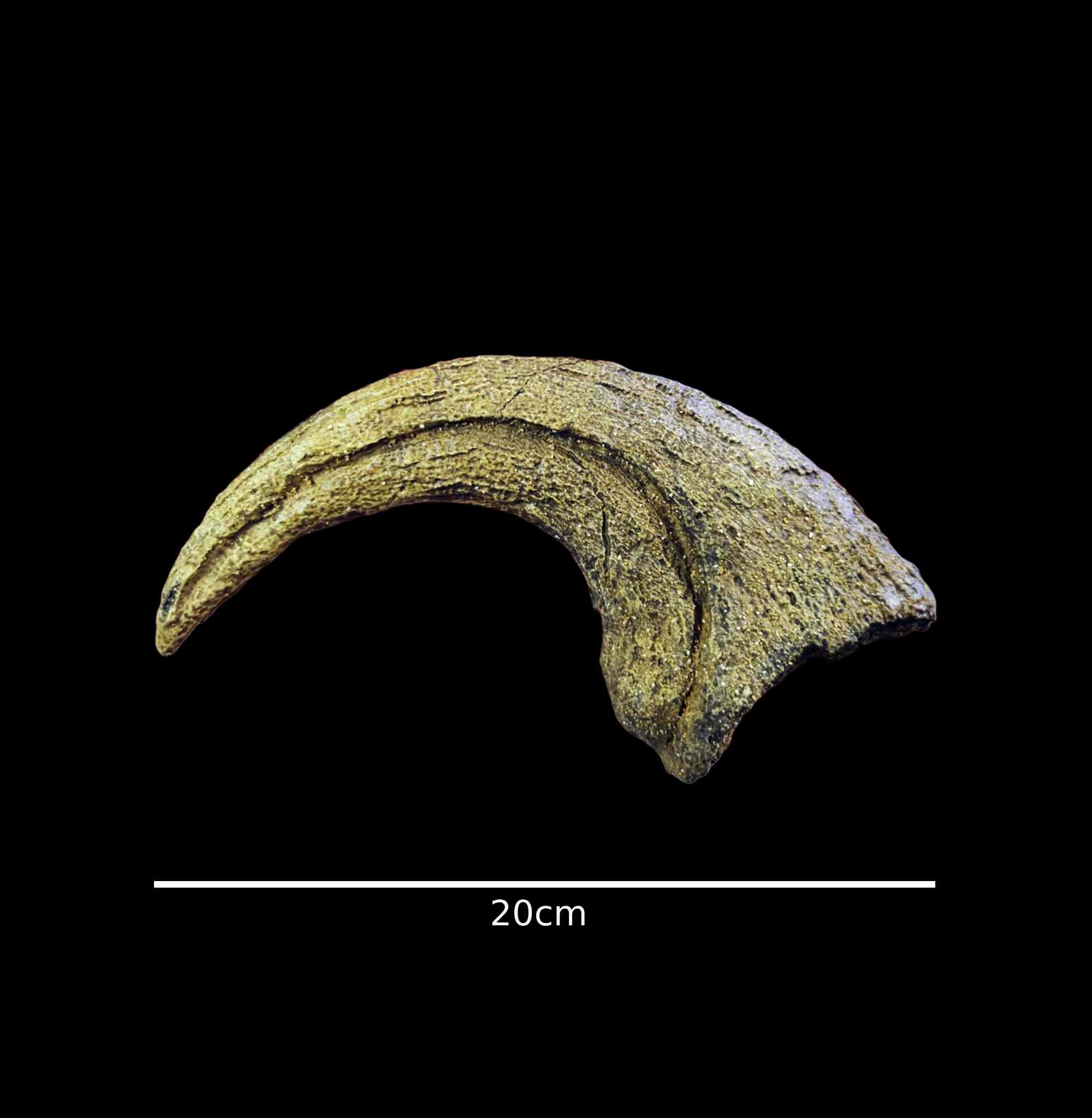
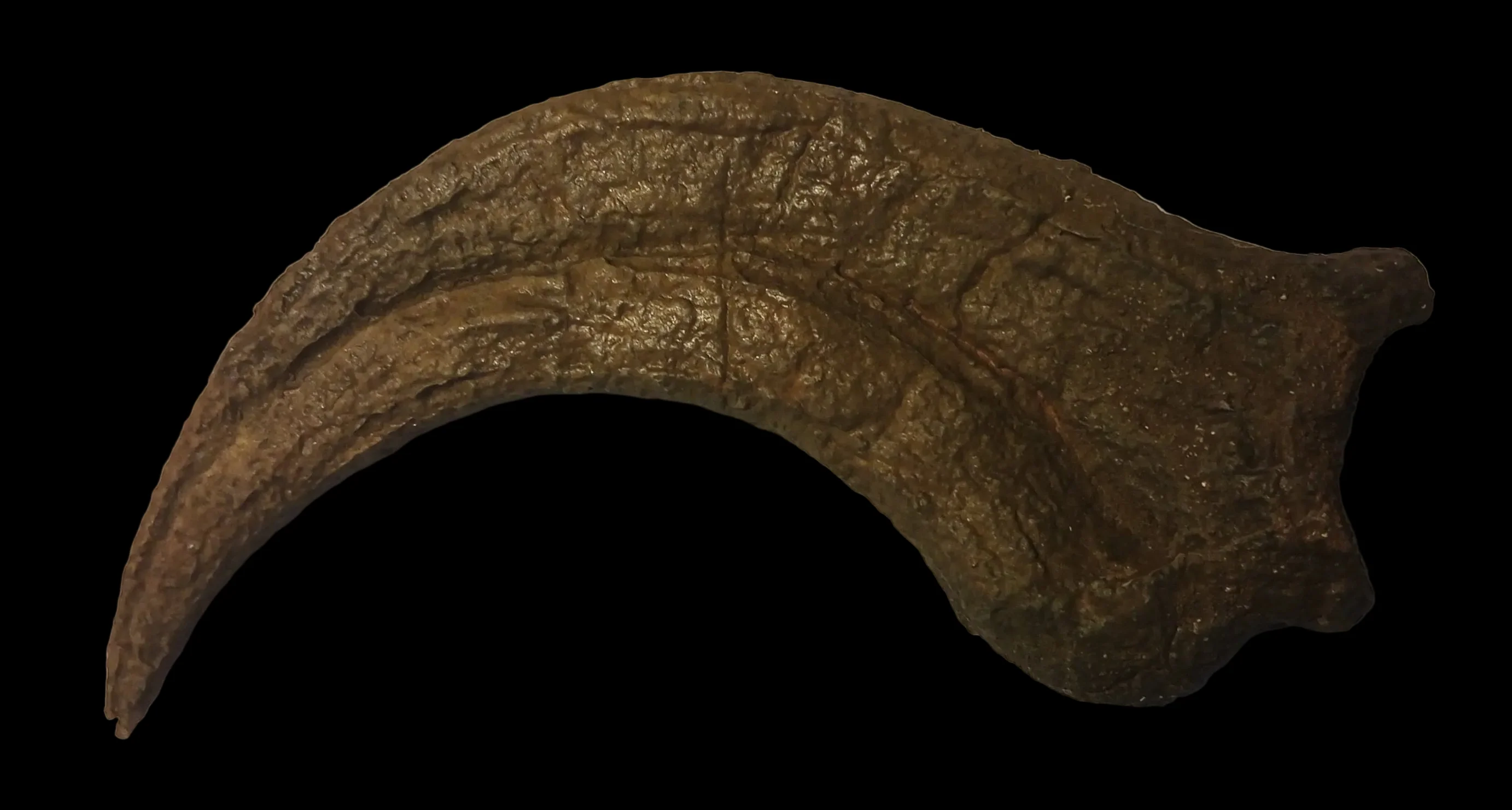
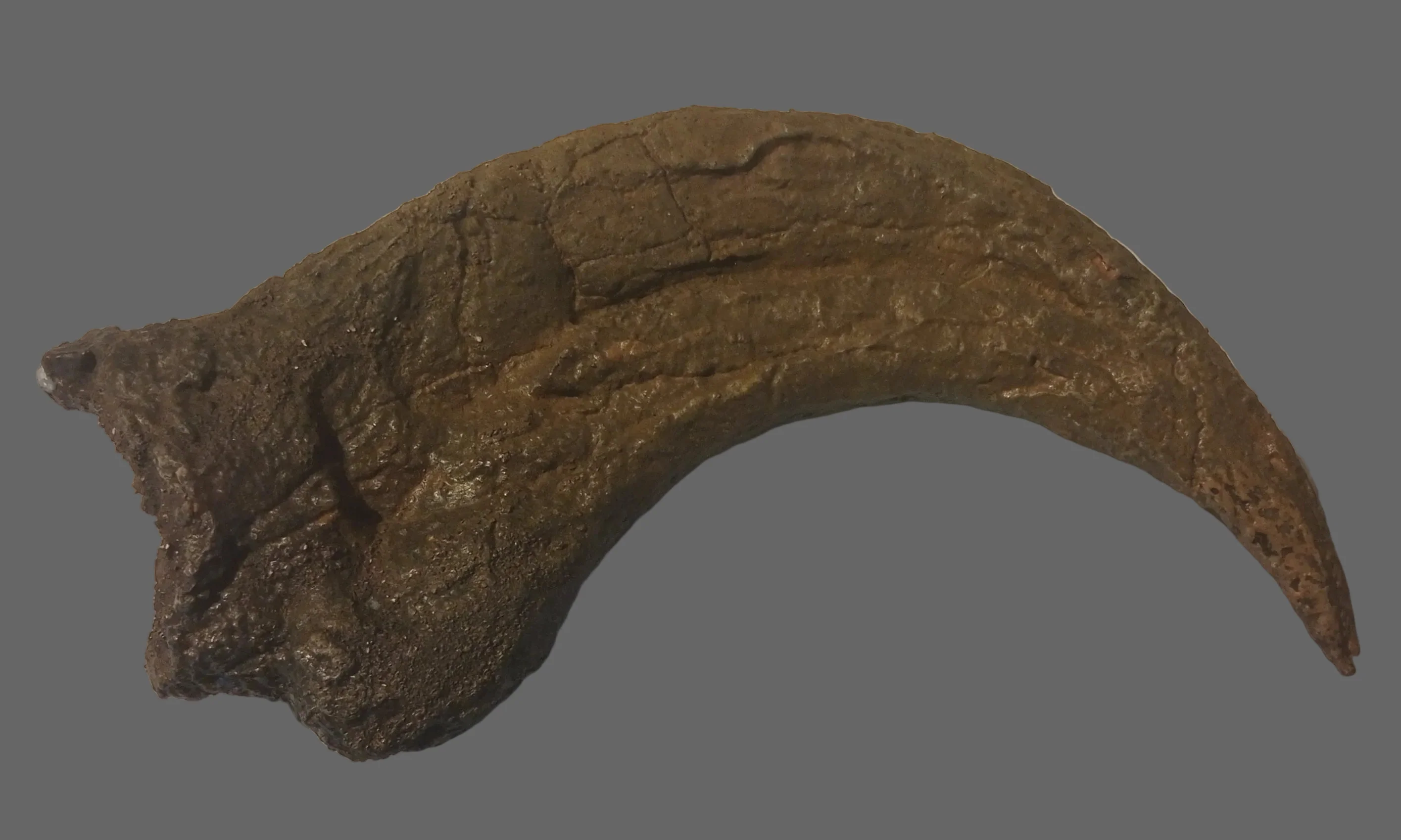
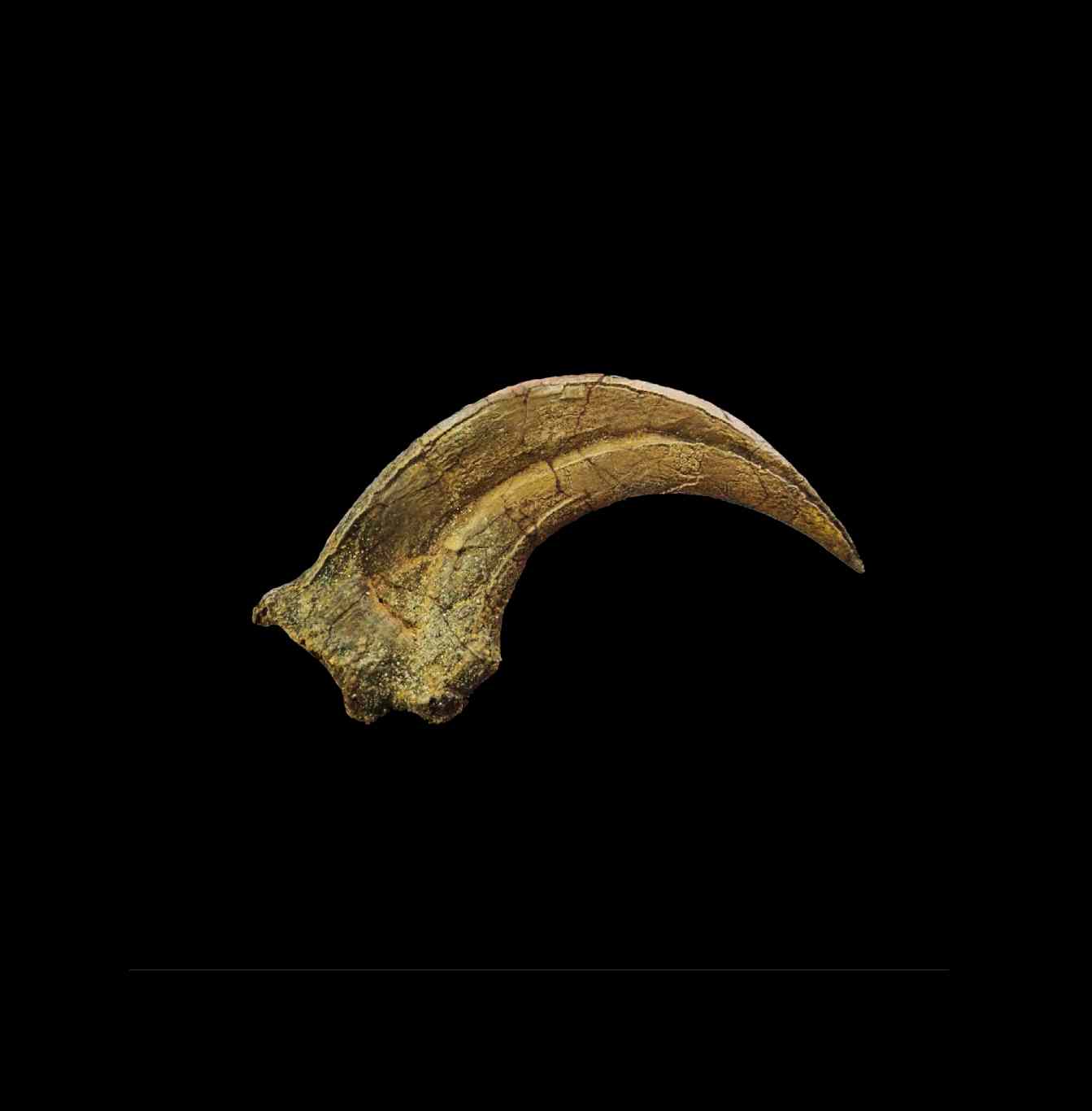
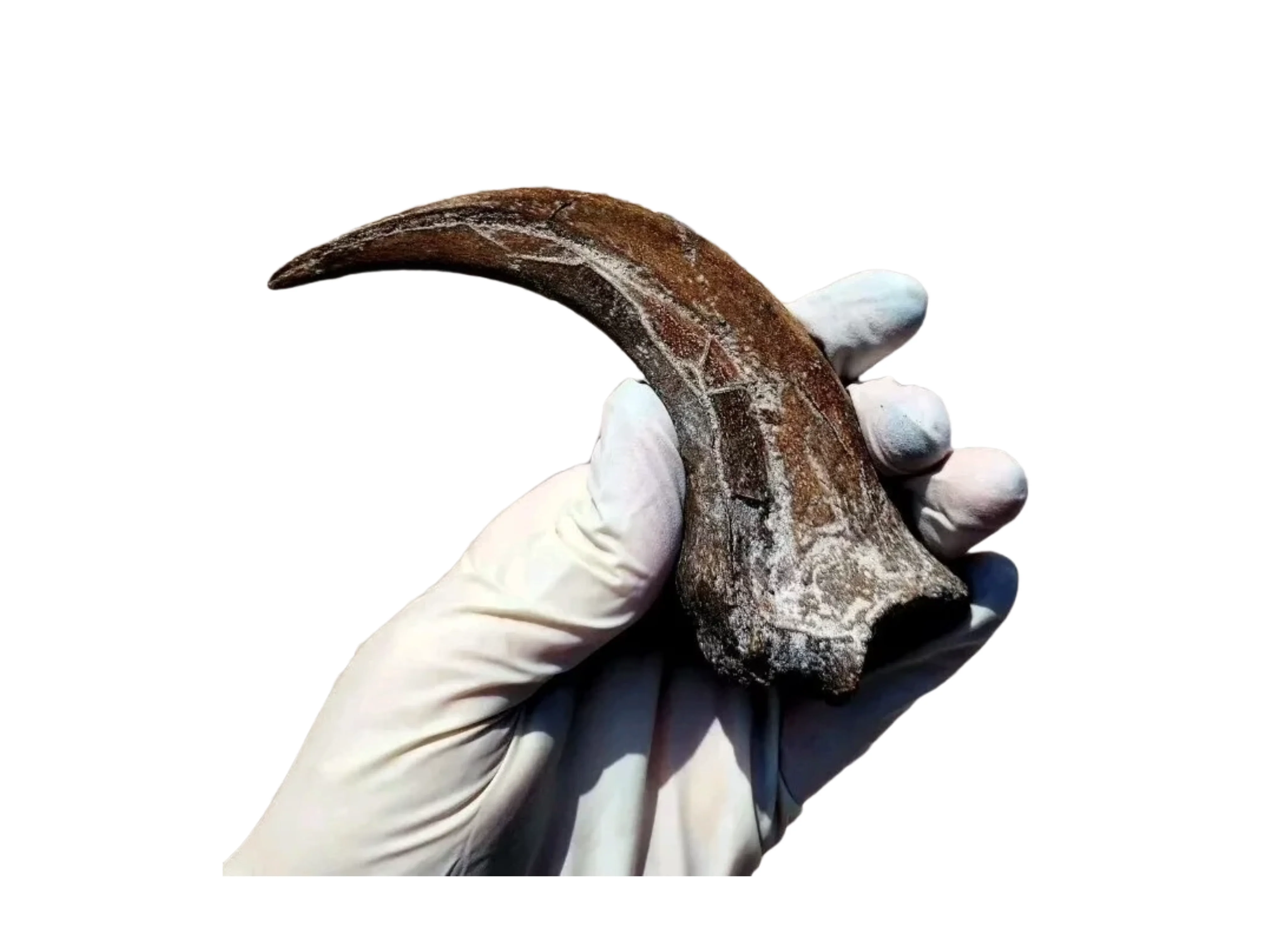
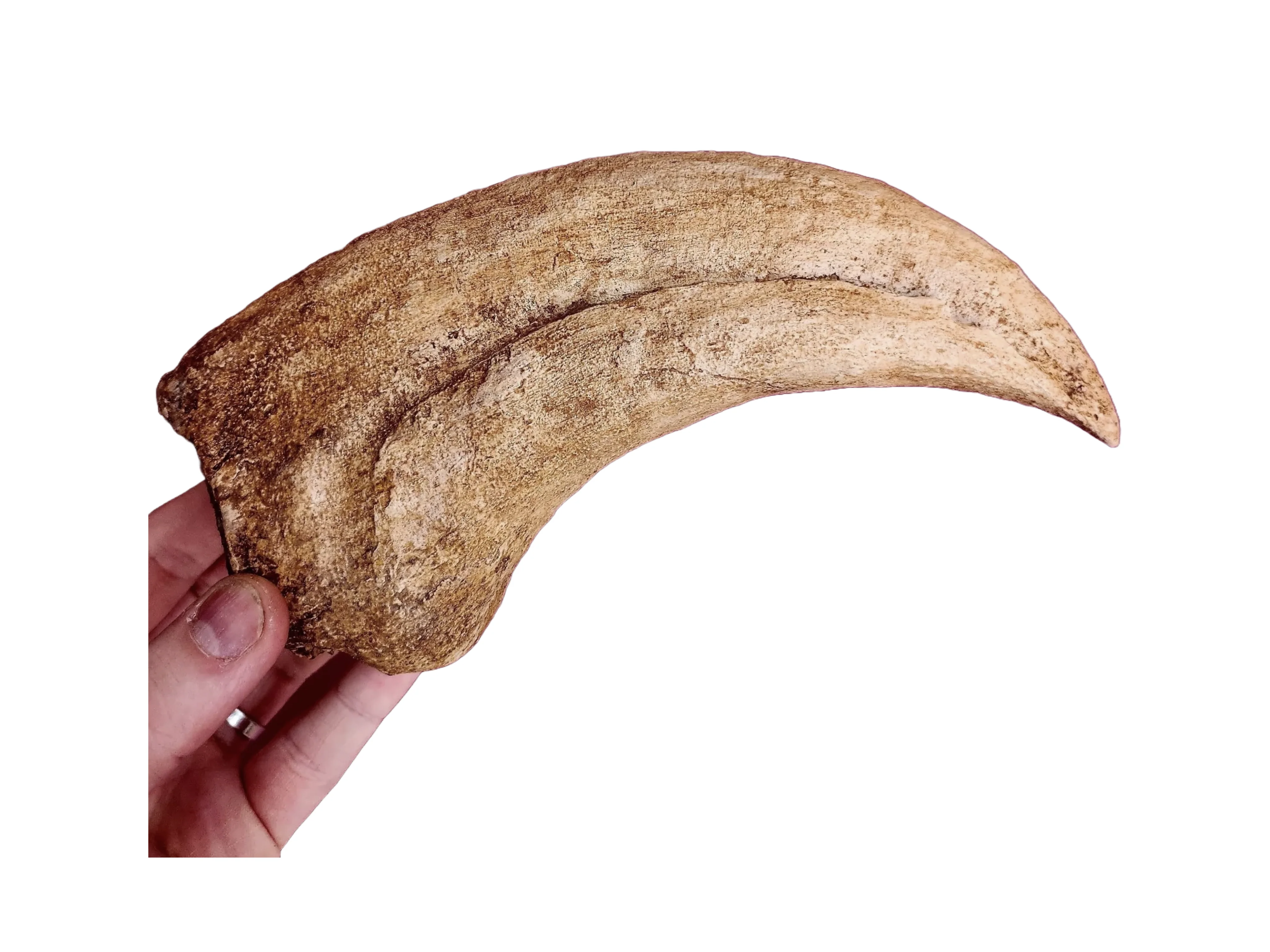
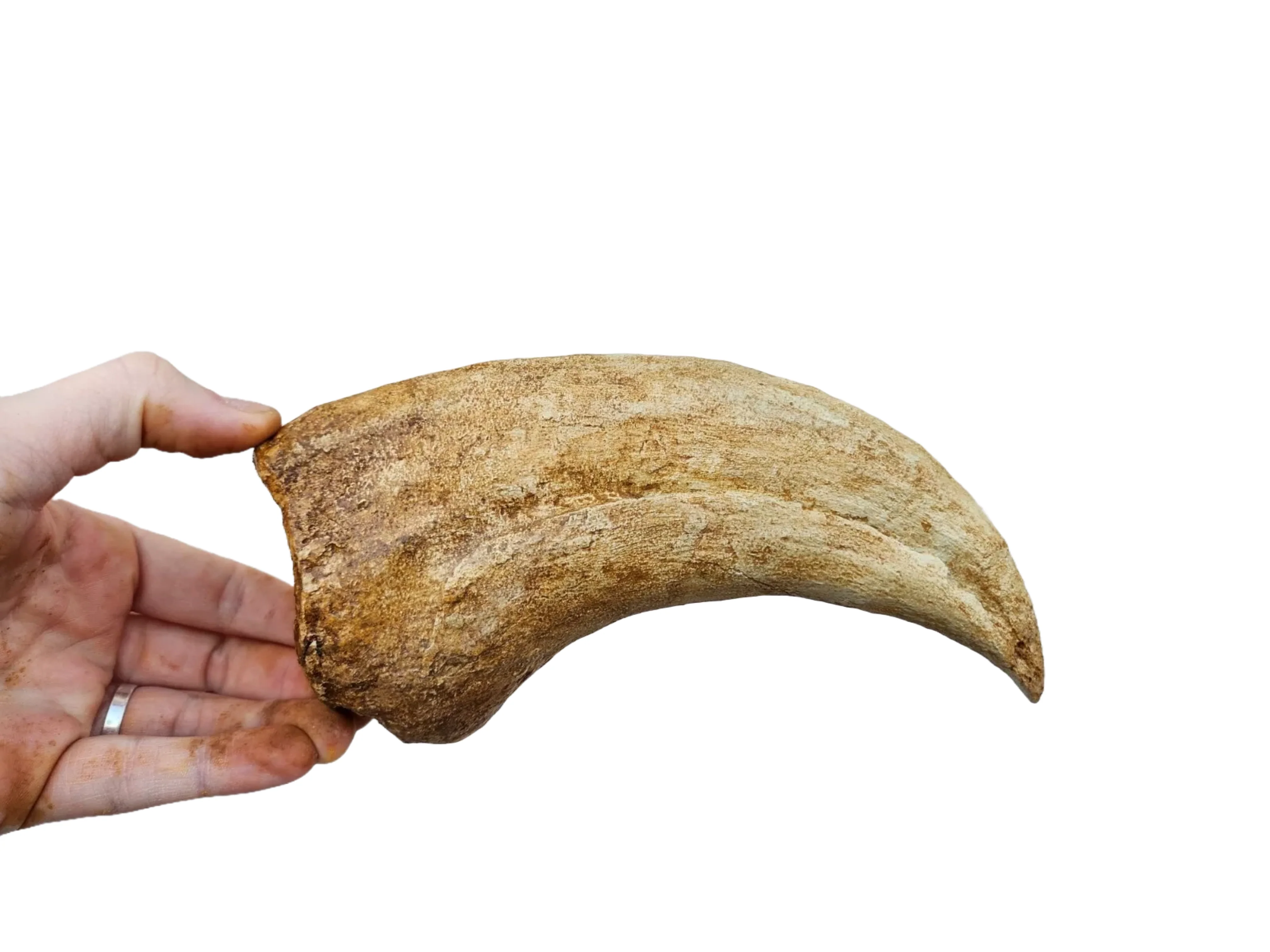
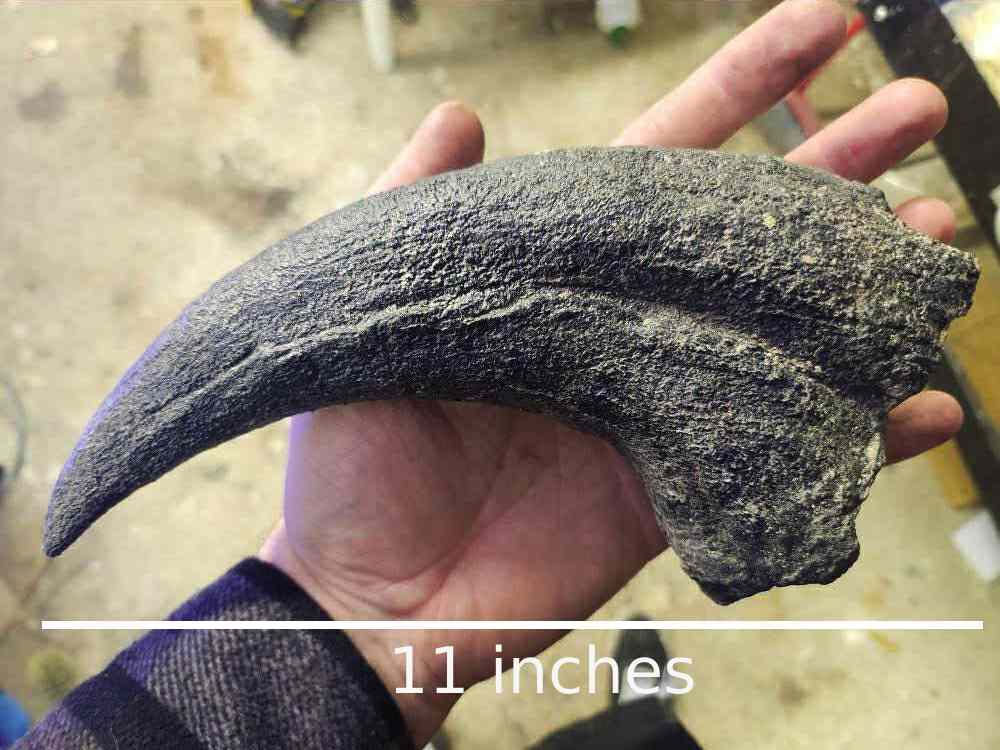
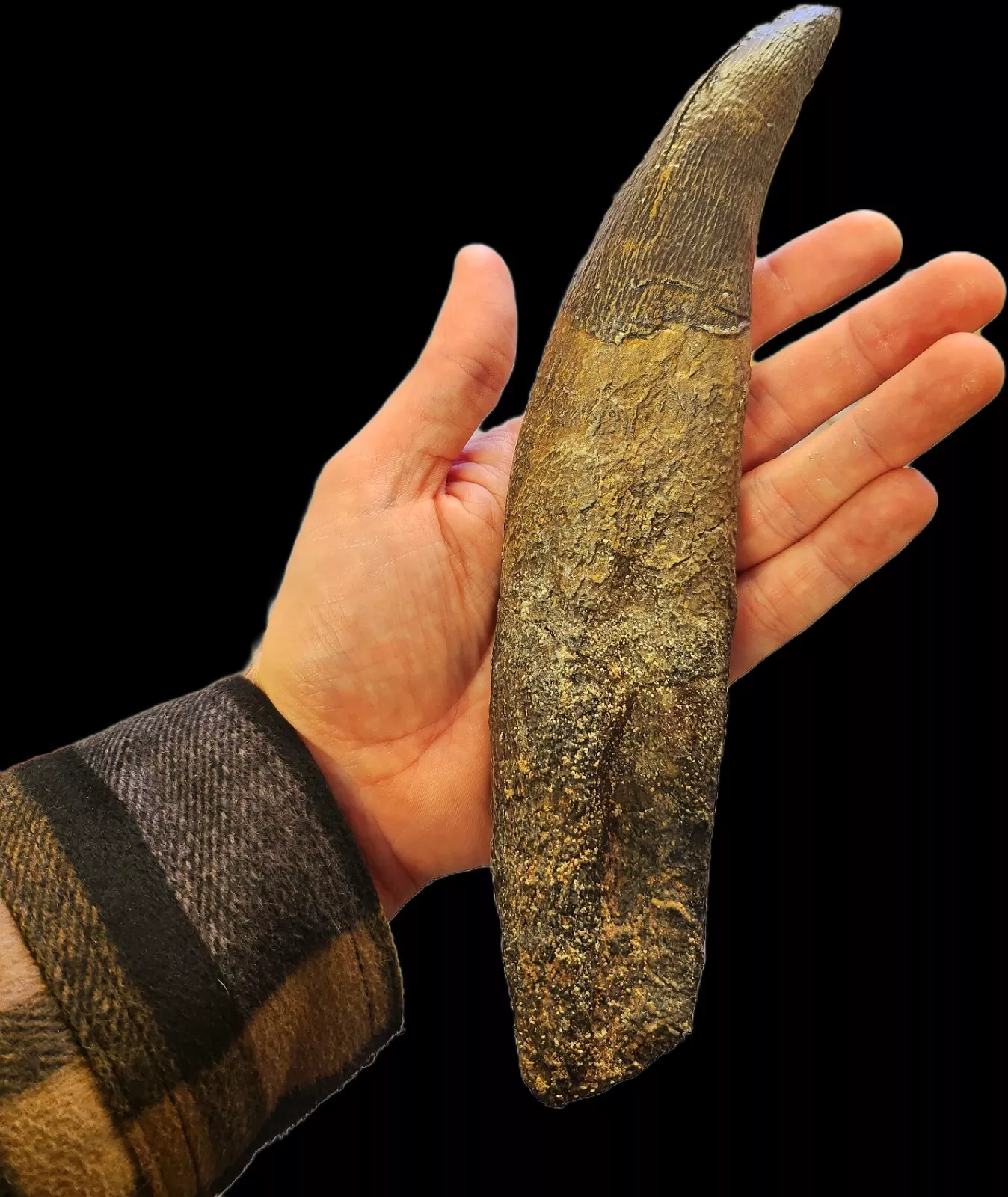
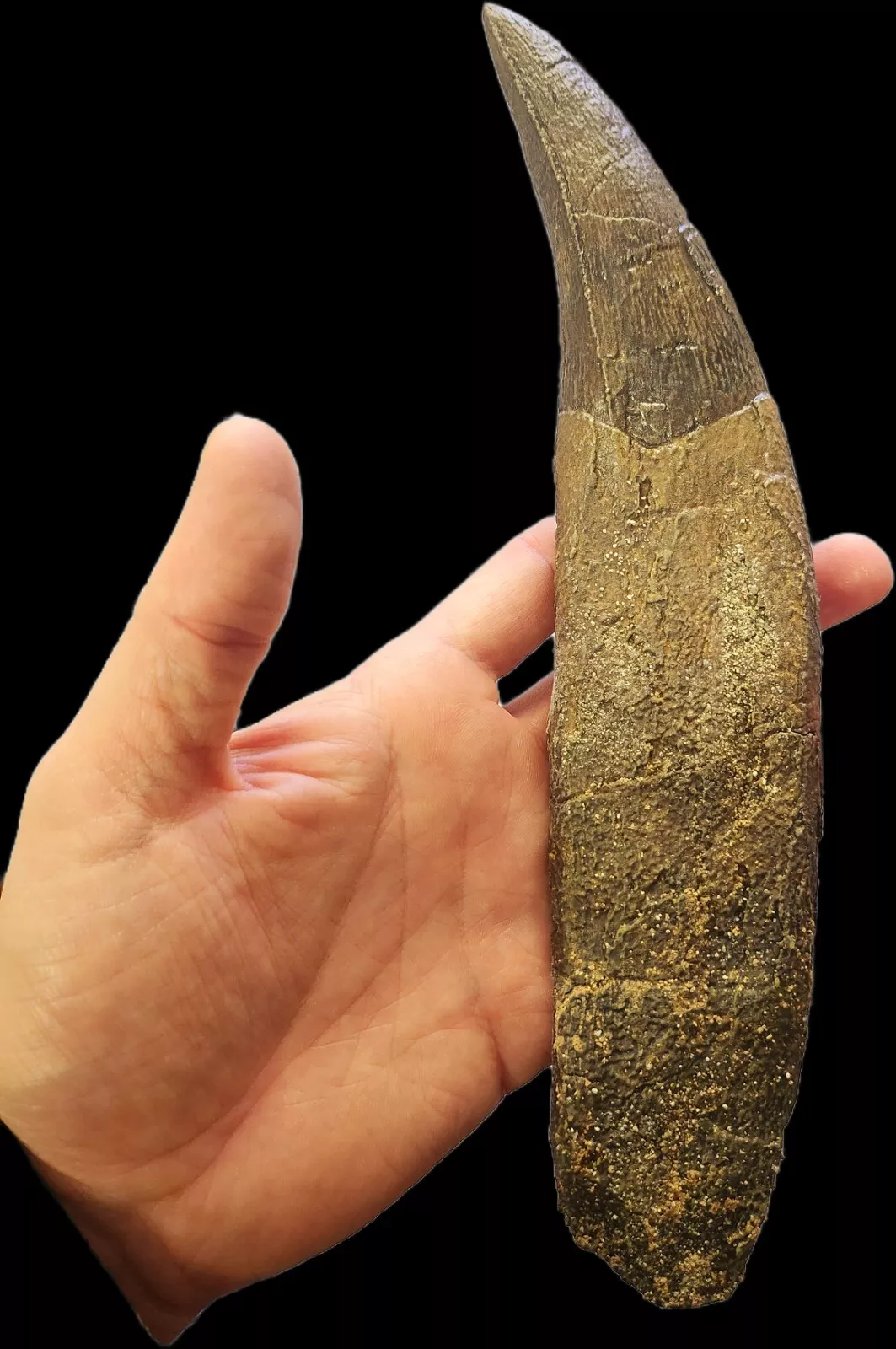
Species: Spinosaurus aegyptiacus – one of the most extraordinary theropods ever discovered, Spinosaurus was a semi-aquatic predator uniquely adapted for life in and around water. This replica captures one of its most striking features: the enlarged forelimb claw, likely used for grasping prey and interacting with its environment.
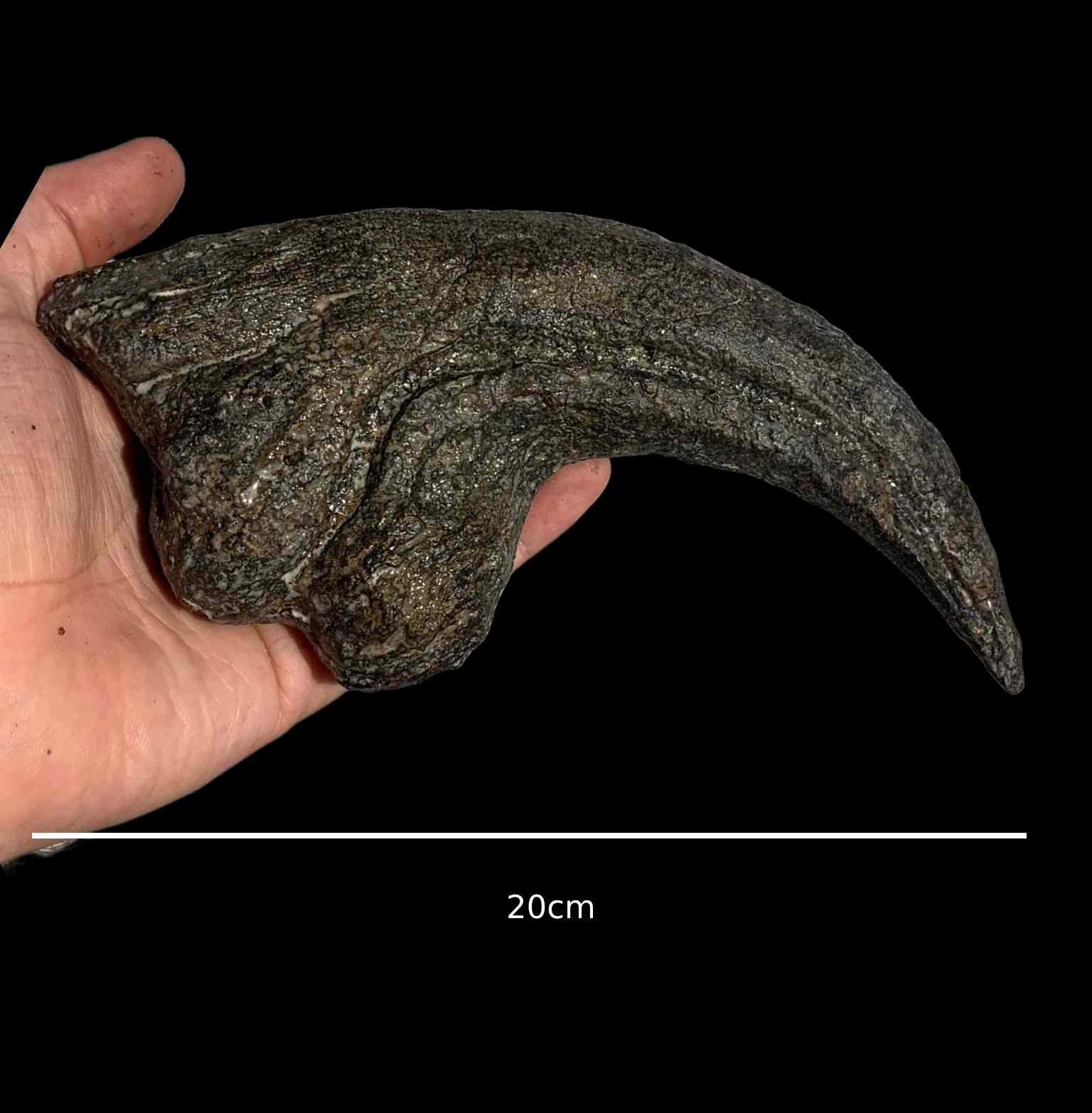
Size: 18 cm (7 inches) measured straight from tip to root
Time Period: Mid Cretaceous (~100–95 million years ago)
Discovery Location: Based on fossil material originally discovered in North Africa, particularly Egypt and Morocco—key sites that have revealed the unusual anatomy and aquatic adaptations of Spinosaurus.
Claw Replica:
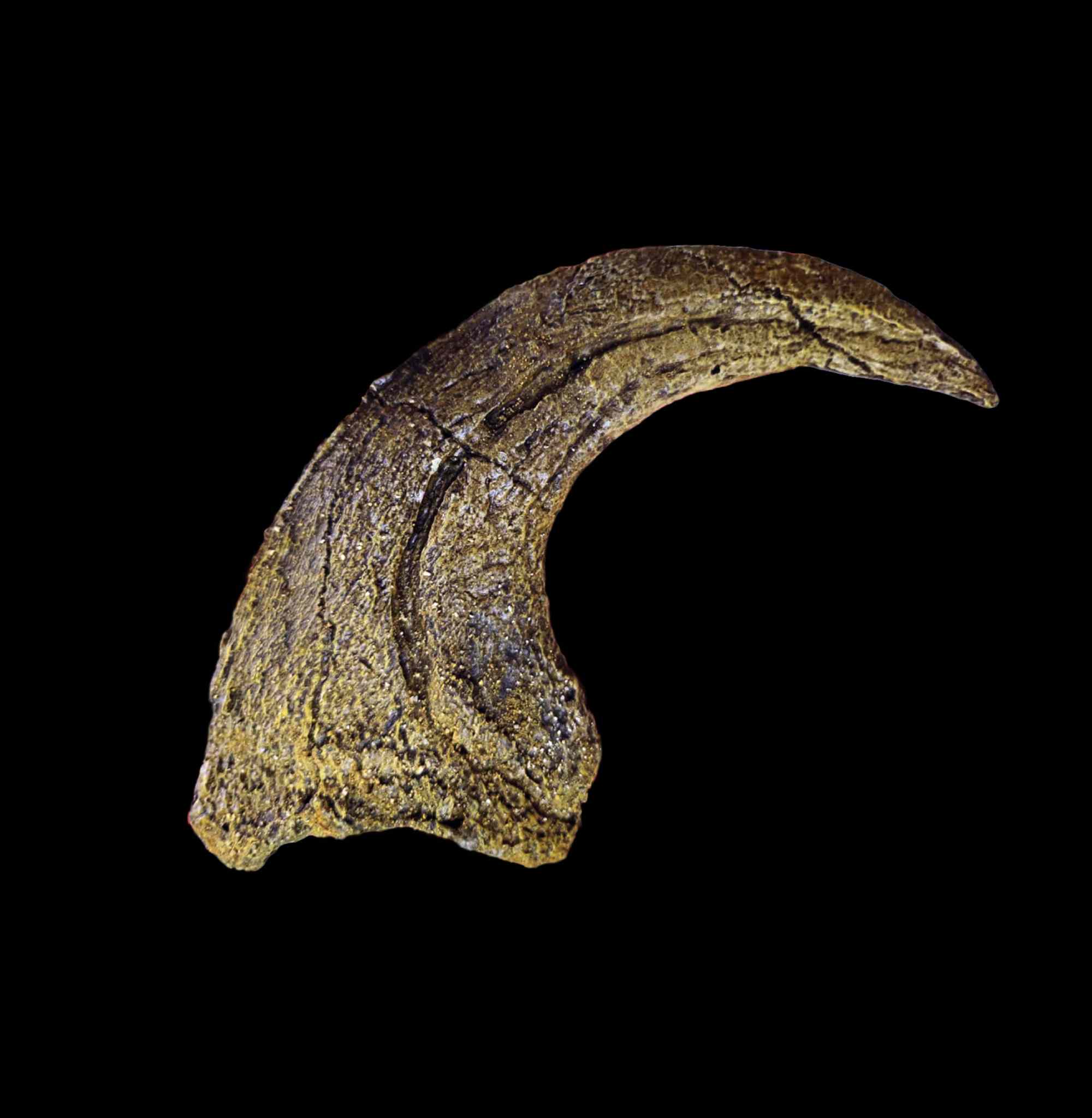
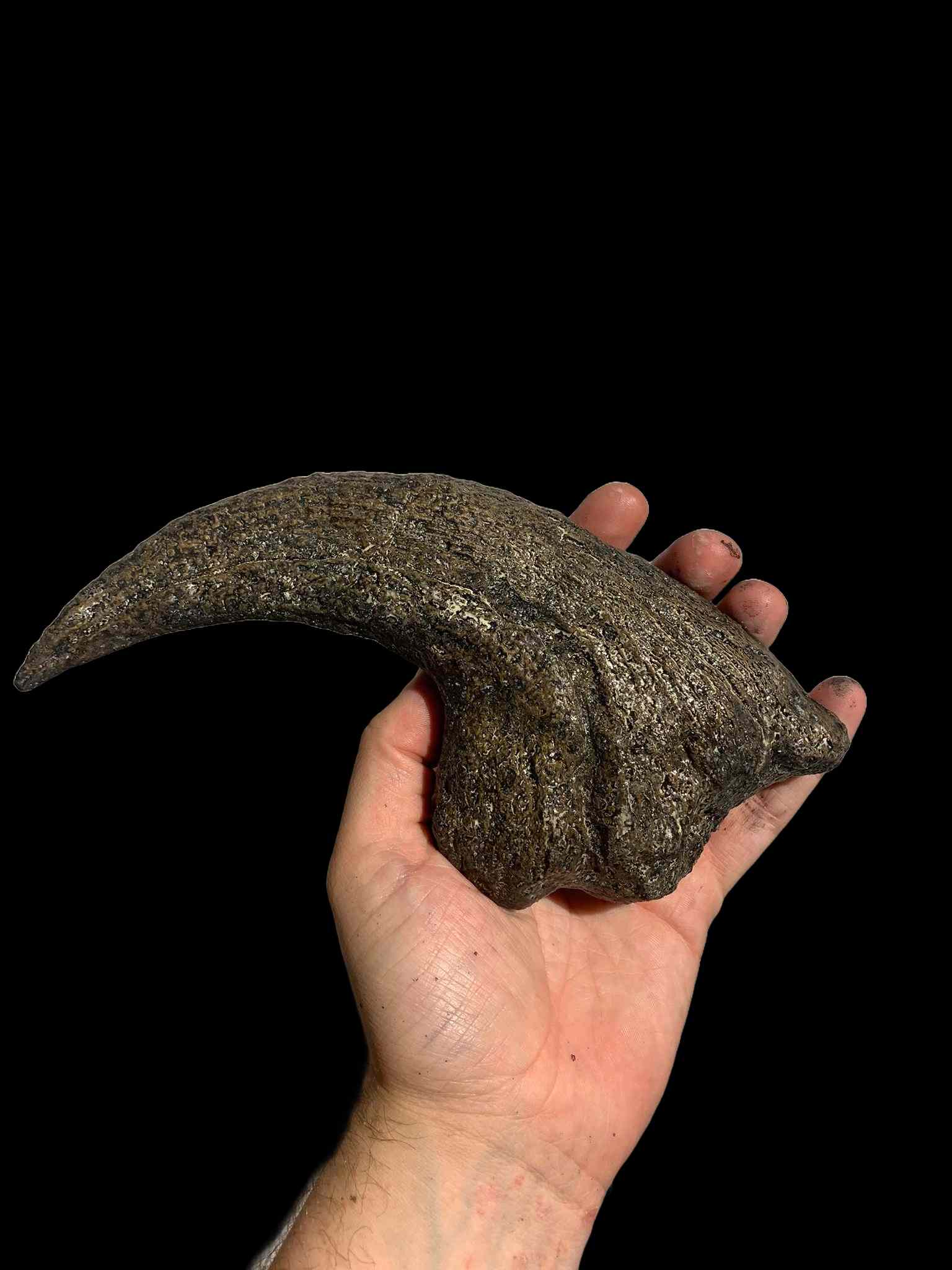
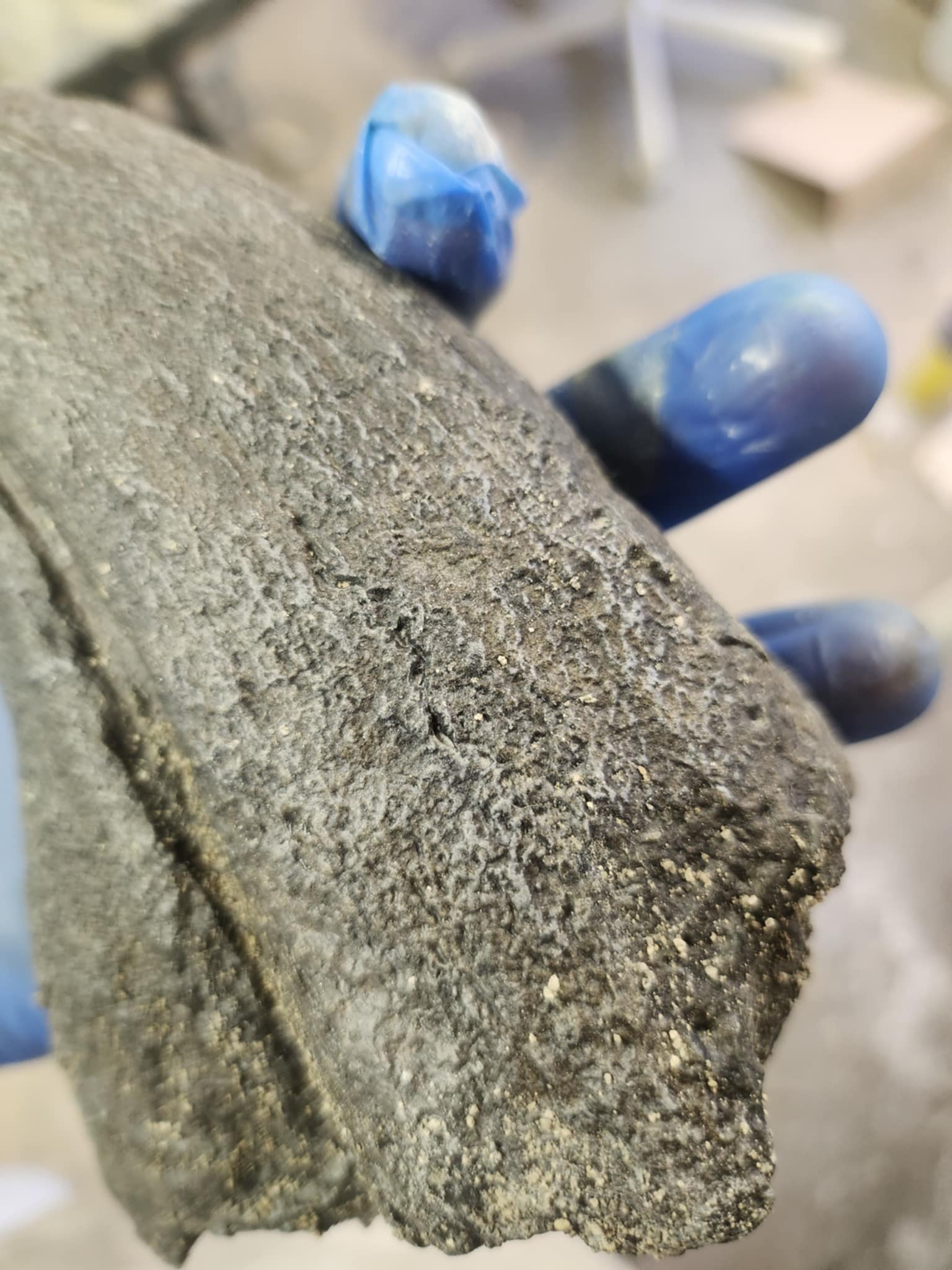
Cast directly from a real specimen, this replica is made from durable resin and finished in a light, natural tone reflecting the sedimentary matrix in which Spinosaurus fossils are typically found. It faithfully represents one of the most distinctive theropod claws ever discovered. Features include:
- Authentic proportions and curvature taken from an original fossil specimen
- Realistic weight – not a lightweight item
- Detailed surface texture replicating natural bone grain and weathering
- Thick, reinforced base and tapered, pointed tip suited for gripping prey
- Light fossil finish designed to mimic the surrounding matrix for added authenticity
Scientific Context:
The claws of Spinosaurus were likely used for catching fish and other aquatic prey, complementing its long, crocodile-like snout and conical teeth. Evidence suggests a highly specialized, semi-aquatic lifestyle, with adaptations for swimming and hunting in river systems.
Assembly:
Ships as a single, fully assembled solid piece. No assembly required—ready to display right out of the box.
Product Information
Product Information
Shipping & Returns
Shipping & Returns
Description
Species: Spinosaurus aegyptiacus – one of the most extraordinary theropods ever discovered, Spinosaurus was a semi-aquatic predator uniquely adapted for life in and around water. This replica captures one of its most striking features: the enlarged forelimb claw, likely used for grasping prey and interacting with its environment.
Size: 18 cm (7 inches) measured straight from tip to root
Time Period: Mid Cretaceous (~100–95 million years ago)
Discovery Location: Based on fossil material originally discovered in North Africa, particularly Egypt and Morocco—key sites that have revealed the unusual anatomy and aquatic adaptations of Spinosaurus.
Claw Replica:
Cast directly from a real specimen, this replica is made from durable resin and finished in a light, natural tone reflecting the sedimentary matrix in which Spinosaurus fossils are typically found. It faithfully represents one of the most distinctive theropod claws ever discovered. Features include:
- Authentic proportions and curvature taken from an original fossil specimen
- Realistic weight – not a lightweight item
- Detailed surface texture replicating natural bone grain and weathering
- Thick, reinforced base and tapered, pointed tip suited for gripping prey
- Light fossil finish designed to mimic the surrounding matrix for added authenticity
Scientific Context:
The claws of Spinosaurus were likely used for catching fish and other aquatic prey, complementing its long, crocodile-like snout and conical teeth. Evidence suggests a highly specialized, semi-aquatic lifestyle, with adaptations for swimming and hunting in river systems.
Assembly:
Ships as a single, fully assembled solid piece. No assembly required—ready to display right out of the box.